Why Your Chai Tastes Flat: 8 Simple Ways to Make Chai Taste Better
Share
Why Your Chai Sometimes Tastes Flat and 8 Small Things That Make It Better
You can use the same tea, the same milk and even the same cup every day — and somehow chai can still taste different. One morning it is rich and comforting. The next day, something feels missing. Usually, the reason is not complicated. It is one of a few small things happening while the chai is being made.
First, Why Does Chai Taste Different Even When the Recipe Is the Same?
Chai is surprisingly sensitive to small changes. A little more water, milk added too early, tea boiled for too long, or slightly too much masala can change the whole cup.
That is also why most people do not really follow an exact chai recipe at home. We watch the colour, smell the tea, adjust the flame and add a little more of something almost without thinking.
If you are still trying to find your basic chai method, start with our guide to making masala chai at home .
8 Things That Can Make Your Everyday Chai Taste Better
Do Not Treat Water Like an Afterthought
Water is where the tea starts opening up. If there is too much of it, the finished chai may taste thin even after milk is added. Too little, and the tea can become unnecessarily heavy.
Instead of chasing an exact measurement every morning, pay attention to the ratio that works with your cup size and the kind of tea you normally use.
Give the Tea a Moment Before Adding Everything Else
When every ingredient goes into the pan at once, it becomes harder to control the strength of the tea.
Let the tea begin brewing in the water first. Once the colour starts developing, you have a much better base for milk, sweetness and masala.
More Masala Does Not Automatically Mean Better Chai
This is probably the easiest mistake to make. If a little chai masala tastes good, adding twice as much sounds tempting.
But once the spices become too dominant, you stop tasting the tea. A good cup should have both — the tea should still be present, with the masala sitting around it rather than covering it completely.
If you are new to using chai masala, our article on what chai masala is and how to use it explains this in more detail.
Let the Flavour of the Masala Match Your Mood
Not every cup of chai has to taste exactly the same.
Some days, traditional masala chai feels right. On another day, you may want the warmth of ginger and cardamom. And sometimes a fennel-cardamom note makes the cup feel completely different.
That is why we like thinking of chai masala as a flavour choice rather than one fixed recipe.
Milk Changes More Than Just the Colour
Milk softens both tea and spice. Adding more milk can make strong tea smoother, but too much can also make a good masala blend feel muted.
If your chai suddenly tastes flat, try changing the milk-to-water ratio before adding more tea or more masala.
Do Not Boil It Forever Just Because You Want Strong Chai
Strong chai and overcooked chai are not always the same thing.
If your tea regularly tastes overly sharp or heavy, try using a little more tea or slightly less milk instead of simply leaving the pan on the flame for much longer.
Store Your Masala Properly
Aroma matters enormously in chai. If the masala is constantly exposed to air or moisture, the experience can change over time.
Keep the container properly closed after use and store it somewhere dry, away from unnecessary heat and moisture.
Stop Looking for Somebody Else's “Perfect” Chai
Some people want very strong tea. Others want more milk. Some barely use sugar, while another person may not enjoy chai without it.
The useful part of a recipe is that it gives you a starting point. After that, your own taste should decide what stays.
Sometimes the Problem Is Not the Recipe — You Just Want a Different Chai
If you have been drinking the same style of chai every day, changing the spice profile can make a familiar routine feel new again.
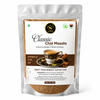
Classic Chai Masala works well when you want a familiar traditional masala chai character. Adrak Elaichi Chai Masala is a natural choice when you are in the mood for warming ginger and fragrant cardamom.
And if you want something noticeably different, Saunf Elaichi Chai Masala brings fennel and cardamom into the cup.
Not sure which one sounds like you?
We made a simple comparison of the three main Sanchai chai masala styles, without turning it into a complicated flavour chart.
Read: Classic vs Adrak Elaichi vs Saunf Elaichi →When You Do Not Want to Crush Ginger and Cardamom Every Morning
Fresh ingredients have their own charm, but weekday chai is often made between getting ready, answering calls, packing lunch or simply trying to wake up.
That is where a ready chai masala becomes useful. You can keep your normal tea routine and add the flavour profile you want without preparing several spices separately every single time.
For ginger-cardamom chai, explore Sanchai Adrak Elaichi Chai Masala . We also have a full guide on making Adrak Elaichi Chai at home .
Jar Finished? You Do Not Always Need Another Jar
If you already have a Sanchai jar at home, a refill pack is the simpler way to restock the same blend.
You can explore our chai masala refill packs or shop individual options below.
Read Next
How to Make the Perfect Masala Chai at Home A simple everyday guide to tea, milk and masala balance. What Is Chai Masala? Understand chai masala, common flavours and how to use it. Classic vs Adrak Elaichi vs Saunf Elaichi Find the chai masala profile that sounds closest to your taste. How to Make Adrak Elaichi Chai A dedicated guide to ginger-cardamom chai at home.Questions People Often Have About Making Better Chai
Why does my chai taste watery?
Why does my masala chai taste too spicy?
Should chai masala be added before or after milk?
How can I make chai stronger without making it bitter?
Which chai masala should I start with?
Where can I shop all Sanchai products?
Make Small Changes Until the Cup Tastes Like Yours
Explore Sanchai's chai masalas, refill packs and flavour combinations and find the one that fits naturally into your everyday chai routine.
Explore Sanchai Chai